|
|
|
مقاله قارچ: تاثیر دی اکسید کربن،مقدار و ترکیب خاک پوششی روی عملکرد قارچ دکمه ای دارویی
:: موضوعات مرتبط:
مقالات آموزشی قارچ
:: برچسبها:
مقاله قارچ,
تاثیر دی اکسید کربن,
مقدار و ترکیب خاک پوششی روی عملکرد قارچ دکمه ای د
ن : دکتر ولی اله مهدیزاده
ت : پنجشنبه هشتم تیر ۱۳۹۱
|
|
مقاله 2013: تاثیر مصرف قارچ کفیر بر روی سیستم ایمنی بدن: مطالعه بر روی سایتوکینین 
:: موضوعات مرتبط:
مقالات آموزشی قارچ
:: برچسبها:
مقاله 2013,
تاثیر مصرف قارچ کفیر بر روی سیستم ایمنی بدن,
مطالعه بر روی سایتوکینین
ن : دکتر ولی اله مهدیزاده
ت : چهارشنبه هفتم تیر ۱۳۹۱
|
|
مقاله 2011: کنترل آفت (حشره، مگس) در کارخانجات قارچ خوراکی با استفاده از هورمون های رشد به روش تزریق به خاک 
:: موضوعات مرتبط:
مقالات آموزشی قارچ
:: برچسبها:
مقاله 2011,
کنترل آفت,
حشره,
مگس
ن : دکتر ولی اله مهدیزاده
ت : سه شنبه ششم تیر ۱۳۹۱
|
|
مقاله ۲۰۱۲: ویژگی های آنتی اکسیدانی گونه های قارچ های خوراکی مختلف و افزایش ضریب تبدیل شاه صدف با استفاده از مواد محلی در دست رس برای خاک پوششی
Antioxidant properties of different edible mushroom species and increased bioconversion efficiency of Pleurotus eryngii using locally available casing materials
Total phenolics, radical scavenging activity (RSA) on DPPH, ascorbic acid content and chelating activity on Fe2+ of Pleurotus citrinopileatus, P. djamor, P. eryngii, P. flabellatus, P. florida, P. ostreatus, P. sajor-caju and Hypsizygus ulmarius have been evaluated. The assayed mushrooms contained 3.94-21.67 mg TAE of phenolics, 13.63-69.67% DPPH scavenging activity, 3.76-6.76 mg ascorbic acid and 60.25-82.7% chelating activity. Principal Component Analysis (PCA) revealed that significantly higher total phenolics, RSA on DPPH and growth/day was present in P. eryngii whereas P. citrinopileatus showed higher ascorbic acid and chelating activity. Agglomerative hierarchical clustering analysis revealed that studied mushroom species fall into two clusters; Cluster I included P. djamor, P. eryngii and P. flabellatus, while Cluster II included H. ulmarius, P. sajor-caju, P. citrinopileatus, P. ostreatus and P. florida. Enhanced yield of P. eryngii was achieved on spent compost casing material. Use of casing materials enhanced yield by 21-107% over non-cased substrate.
Highlights
► Pleurotus eryngii possessed higher total phenolics, RSA on DPPH and growth/day. ► Higher ascorbic acid and chelating activity was found in P. citrinopileatus. ► Based on AHC, studied edible mushroom species were fall into two clusters. ► Enhanced BE of P. eryngii was achieved using spent compost casing overlay.
Keywords
:: موضوعات مرتبط:
مقالات آموزشی قارچ
:: برچسبها:
مقاله ۲۰۱۲,
ویژگی های آنتی اکسیدانی گونه های قارچ های خوراکی م
ن : دکتر ولی اله مهدیزاده
ت : یکشنبه چهارم تیر ۱۳۹۱
|
|
مقاله قارچ: میزان عملکرد بیولوژیکی قارچ دکمه ای گونه برازیلینسیس یا همان بلزیی یا سوبرافیشنس کشت شده با کمپوست قارچ با غلظت های نیتروژن
:: موضوعات مرتبط:
مقالات آموزشی قارچ
:: برچسبها:
مقاله قارچ,
میزان عملکرد بیولوژیکی قارچ دکمه ای گونه برازیلینس
ن : دکتر ولی اله مهدیزاده
ت : یکشنبه چهارم تیر ۱۳۹۱
|
|
مقاله ۲۰۱۲: لاکیز خارچ سلولی از قارچ صدفی: مقاومت به دما و واکنش نسبت به یون های فلزی
Adamafio, N.A.; Sarpong, N.S.; Mensah, C.A.; Obodai, M.
Date: 2012
Abstract:
The metal ion response profile and thermal stability of extracellular laccase from Pleurotus ostreatus strain EM-1, which is widely cultivated in Ghana, were investigated to provide information essential for the establishment of laccase-based applications in the country. P. ostreatus (Jacq. ex. fr) Kummer strain EM-1 was cultivated on a mixture of Triplochiton scleroxylon (wawa) sawdust, rice bran and lime. Extracellular laccase was isolated from spent sawdust four to six days after the appearance of mushroom pinheads and subjected to ammonium sulphate precipitation and gel filtration using Sephadex G-75. Laccase activity was assayed spectrophotometrically at 468 nm using 2, 6-dimethoxyphenol in Mcilvaine’s citrate-phosphate buffer, pH 5.0. Two metal ions, Cu2+ and Mn2+, stimulated P. ostreatus strain EM-1 laccase activity. Cu2+ caused a maximal stimulatory effect of 324.4%, while Mn2+ exerted a more moderate stimulatory effect of 180.5%. Magnesium ions had no effect on the activity of the enzyme. Activity decreased by 77.4% after 20 min of incubation at 50°C. During seven days of storage at either 4 or -20°C, laccase activity decreased by 87.7-88.8%. This rate of deactivation was reduced to 28.1-32.8% over the same period when 20 mM CuSO4 was added to the enzyme prior to storage. The findings suggest that P. ostreatus strain EM-1 laccase would not be a suitable biocatalyst for high temperature processes. Furthermore, copper and to a lesser extent, manganese can be used as stimulatory additives during P. ostreatus strain EM-1 laccase-catalyzed processes at ambient temperature and for short-term storage of the enzyme.
Show full item record
:: موضوعات مرتبط:
مقالات آموزشی قارچ
:: برچسبها:
مقاله ۲۰۱۲,
لاکیز خارچ سلولی از قارچ صدفی,
مقاومت به دما و واکنش نسبت به یون های فلزی
ن : دکتر ولی اله مهدیزاده
ت : شنبه سوم تیر ۱۳۹۱
|
|
ن : دکتر ولی اله مهدیزاده
ت : پنجشنبه یکم تیر ۱۳۹۱
|
|
مقاله ۲۰۱۲: ارزیابی محیط کشت های ارگانیک مختلف روی ترکیب شیمایی خاک، رشد و عملکرد قارچ پلوروتوس
Comparative Evaluation of Different Organic Media on Soil Chemical Composition, Growth, and Yield of Mushroom (Pleurotus tubergium L.)
The effectiveness of organic media as sources of nutrients on soil fertility, growth, and yield of mushroom (Pleurotus tubergium) was studied at Akure in the rainforest zone of Nigeria. The organic media were applied at 8 t/ha with an organo-mineral fertilizer medium as a reference material and unfertilized control treatment, replicated four times and arranged in a randomized complete block design. The result showed that the use of organic media increased significantly crown width, stalk length, stalk girth, weight of fruiting bodies of mushroom and soil K, Ca, Mg, N, P, K, Ca, and O.M compared to the control treatment. Among the organic media, loamy soil had the highest values of mushroom crown width and weight of fruiting bodies relative to the others. However, the organo-mineral medium still had higher values of mushroom growth and yield than the soil organic media, but it may increase cost of production. For soil chemical composition, loamy soil treatment had the highest values of soil O.M and % N while oil palm bunch husk had the highest values of soil K, Ca, and Mg compared to other treatments. Wood ash treatment increased most the soil pH. In these experiments, loamy soil and soybean husk media applied at 8 t/ha were the most effective organic media for improving growth, yield of mushroom, and soil fertility.
:: موضوعات مرتبط:
مقالات آموزشی قارچ
:: برچسبها:
مقاله ۲۰۱۲,
ارزیابی محیط کشت های ارگانیک مختلف روی ترکیب شیمای,
رشد و عملکرد قارچ پلوروتوس
ن : دکتر ولی اله مهدیزاده
ت : چهارشنبه سی و یکم خرداد ۱۳۹۱
|
|
آستراودوریک اسید ای-دی: تری ترپن های لانوستان جدید از قاچ خوراکی و خاصیت ضد میکروبی آن
Astraodoric acid A-D: New Lanostane Triterpenes from Edible Mushroom Astraeus odoratus and their Anti Mycobacterium tuberculosis H37Ra and Cytotoxic Activity
:: موضوعات مرتبط:
مقالات آموزشی قارچ
:: برچسبها:
آستراودوریک اسید ای,
دی,
تری ترپن های لانوستان جدید از قاچ خوراکی و خاصیت ض
ن : دکتر ولی اله مهدیزاده
ت : چهارشنبه سی و یکم خرداد ۱۳۹۱
|
|
هر روز با یک مقاله ۲۰۱۲ در این بخش
مقاله ۲۰۱۲: پلوران (یک بتاگلوکان قارچ صدفی): یک مکمل غذایی موثر علیه عفونت دستگاه تنفسی
Pleuran (β-Glucan from P: leurotus ostreatus ): An Effective Nutritional Supplement against Upper Respiratory Tract Infections?.
Prolonged and high-intensity exercise affects immune function and leads to an increased risk of upper respiratory tract infections (URTIs) in endurance athletes. The increased incidence of URTI symptoms may negatively affect athletic performance. Various nutritional supplements have been tested in the last decade for their ability to prevent developing of URTIs or reduce their incidence. One of the most promising nutritional supplements is β-glucan, a well-known immunomodulator with positive effects on functioning of immunocompetent cells. However, β-glucans are a diverse group of molecules that vary in macromolecular structure, solubility, viscosity, molecular weight and biological activity. This fact is supported by results from recent human clinical studies where β-glucans of different origin and properties differed in ability to prevent or reduce incidence of URTIs in athletes. It has been found that pleuran, a unique insoluble β-glucan isolated from mushroom Pleurotus ostreatus, significantly reduced the incidence of URTI symptoms in athletes. In addition, it was able to increase the number of circulating natural killer cells and to prevent reduction of natural killer cell activity. Contrarily, soluble oat β-glucan supplementation did not alter URTI incidence in endurance athletes. This difference suggests that the immunomodulatory capacity of β-glucans is strongly dependent on solubility and structural factors such as backbone structure and degree of branching. This review refers to using pleuran as a natural supplement that is able to protect endurance athletes against development of URTI.
:: موضوعات مرتبط:
مقالات آموزشی قارچ
:: برچسبها:
مقاله ۲۰۱۲,
پلوران,
یک بتاگلوکان قارچ صدفی,
یک مکمل غذایی موثر علیه عفونت دستگاه تنفسی
ن : دکتر ولی اله مهدیزاده
ت : سه شنبه سی ام خرداد ۱۳۹۱
|
|
هر روز با یک مقاله ۲۰۱۲ در این بخش
مقاله ۲۰۱۱: اصلاح استرین جدیدی از قارچ خوراکی با استفاده موتاسیون بازیدیواسپور با مواد شیمیایی
Breeding of new strains of mushroom by basidiospore chemical mutagenesis
Chemical mutagenesis of basidiospores of Hypsizygus marmoreus generated new mushroom strains. The basidospores were treated with methanesulfonate methylester, an alkylating agent, to yield 400 mutant monokaryotic mycelia. Twenty fast-growing mycelia were selected and mated each other by hyphal fusion. Fifty out of the 190 matings were successful (mating rate of 26.3%), judged by the formation of clamp connections. The mutant dikaryons were cultivated to investigate their morphological and cultivation characteristics. Mutant strains No. 3 and No. 5 showed 10% and 6% increase in fruiting body production, respectively. Eight mutant strains showed delayed and reduced primordia formation, resulting in the reduced production yield with prolonged cultivation period. The number of the fruiting bodies of mutant No. 31, which displayed reduced primordial formation, was only 15, compared to the parental number of 65. Another interesting phenotype was a fruiting body with a flattened stipe and pileus. Dikaryons generated by mating with the mutant spore No. 14 produced flat fruiting bodies. Further molecular biological studies will provide details of the mechanism. This work shows that the chemical mutagenesis approach is highly utilizable in the development of mushroom strains as well as in the generation of resources for molecular genetic studies.
:: موضوعات مرتبط:
مقالات آموزشی قارچ
:: برچسبها:
مقاله ۲۰۱۱,
اصلاح استرین جدیدی از قارچ خوراکی با استفاده موتاس
ن : دکتر ولی اله مهدیزاده
ت : سه شنبه سی ام خرداد ۱۳۹۱
|
|
۳۰ بهمن ۱۳۹۱
مقاله ۲۰۱۲: ارزیابی فعالیت ضد میکروبی و آنتی اکسیدانی و آنالیز فیتوشیمیایی قارچ دکمه ای سفید
EVALUATION OF ANTIMICROBIAL AND ANTIOXIDANT ACTIVITIES AND PHYTOCHEMICAL ANALYSIS OF WHITE BUTTON MUSHROOM AGARICUS BISPORUS
ABSTRACT
In the present study, evaluation of antimicrobial activity of Agaricus bisporus against human pathogenic microorganisms revealed
that Agaricus bisporus was effective against five human pathogenic microorganisms out of six taken for the evaluation and in many
cases was found to be better than the standard used i.e. Ciprofloxacin and Fluconazole. Petroleum ether extract was most effective
with maximum zone of inhibition of 28mm against Pseudomonas aeroginosa, and Candida albicasn was the most sensitive pathogen
taking all solvent and aqueous extract at 20mg/ml concentration. Antioxidant activity of white button mushroom has been proved
with its DPPH free radical scavenging activity. At 9mg/ml concentration of methanol extract, scavenging activity was 85.2% and
phytochemical analysis of white button mushroom has revealed the presence of bioactive molecules i.e. saponins, flavonoids,
tannins and cardiac glycosides which might be responsible for its antioxidant and antimicrobial activity, therefore it can be
concluded that Agaricus bisporus has great medical potential and further purification and structural elucidation of bioactive
molecule is required.
Keywords: White Button Mushroom, Agaricus bisporus, Antimicrobial Activity, Antioxidant Activity, Phytochemical Analysis.
:: موضوعات مرتبط:
مقالات آموزشی قارچ
:: برچسبها:
مقاله ۲۰۱۲,
ارزیابی فعالیت ضد میکروبی و آنتی اکسیدانی و آنالیز
ن : دکتر ولی اله مهدیزاده
ت : دوشنبه بیست و نهم خرداد ۱۳۹۱
|
|
هر روز با یک مقاله ۲۰۱۲ در این بخش
مقاله ۲۰۱۲: فعالیت ضد رادیکالی و آنتی اکسیدانی عصاره های متانولی قارچ ترمیت بومی
Antiradical and antioxidant activities of methanolic extracts of indigenous termitarian mushroom from Tanzania
Donatha Damian Tibuhwa
Abstract
Termitomyces mushrooms grow symbiotically with termites. They are abundantly distributed in the country, mostly consumed and liked by people. However, their antiradical and antioxidants activities are not yet established. In this study, both qualitative and quantitative values of antiradical and antioxidant of crude methanolic extracts of six Termitomyces species (T. titanicus, T. aurantiacus, T. letestui, T. clypeatus, T. microcarpus and T. eurhizus) were investigated. The investigation used DPPH (1, 1-diphenyl-2-picrylhydrazyl) free radical as a substrate to determine both scavenging abilities and antiradical activities. Antioxidant was further analysed quantitatively for b-carotene, flavonoid content, total phenolic compounds and vitamin C content in the crude methanolic extracts using spectrophotometric assay at 515 hm.
The result showed that they all exhibited scavenging ability and antiradical activity although the ability differed markedly among the species. The highest antiradical activity unit (EAU515) was from T. microcarpus (EAU515 1.48) followed by T. aurantiacus (EAU515 1.43) while the lowest was from T. eurhizus (EAU515 0.7). The scavenging power was also highest in T. microcarpus (EC50 < 0.1 mg/ml) followed by T. letestui (EC50 = 0.14 mg/ml); while T. eurhizus showed the least power (EC50 = 0.36 mg/ml). In quantitative analysis, T. microcarpus was also found having high content of phenols, Flavonoid, and b-carotene except lycopene and Vitamin C content which were high in T. aurantiacus and T. eurhizus respectively.
Based on these results, all studied termitarian mushroom are good source of antioxidants while T. microcarpus could be considered as potential antiradicals of high profile thus thought for selection in preparation of mushroom-based nutraceutics. The results also endorse the continuing harvesting of these wild mushrooms for including them in our daily food for healthy diets.
Keywords: Antioxidant, antiradical, Termitomyces, Termitarian, Tanzania
:: موضوعات مرتبط:
مقالات آموزشی قارچ
:: برچسبها:
مقاله ۲۰۱۲,
فعالیت ضد رادیکالی و آنتی اکسیدانی عصاره های متانو
ن : دکتر ولی اله مهدیزاده
ت : دوشنبه بیست و نهم خرداد ۱۳۹۱
|
|
مقاومت لکانیسلیوم فانحیکولا عامل بیماری حباب خشک قارچ دکمه ای به بنزیمیدازول ها و قارچ کش های بازدارنده دمتیلیشن ارگسترول 
:: موضوعات مرتبط:
مقالات آموزشی قارچ
:: برچسبها:
مقاومت لکانیسلیوم فانحیکولا عامل بیماری حباب خشک ق
ن : دکتر ولی اله مهدیزاده
ت : یکشنبه بیست و هشتم خرداد ۱۳۹۱
|
|
مقاله ۲۰۱۳: میزان شیوع بیماری حباب خشک در بستر های قارچ دکمه ای با دو نوع خاک پوششی
Incidence of Lecanicillium Fungicola in White-Button Mushroom (Agaricus Bisporus) Cultivated With Two Types of Casing Soil
F.J. Gea, J. Carrasco, M. Santos, F. Dianez, M.J. Navarro
doi: 10.4454/JPP.V95I1.014
Abstract
The effect of the agent of dry bubble disease Lecanicillium fungicola on mushroom cultivation using two types of casing (mineral soil and peat-based) was evaluated in two artificially infected cropping trials. The incidence of dry bubble and loss of yield caused by the disease were assessed. Biological efficiency (BE) was used to evaluate mushroom productivity for the different casing soils. The results showed that, in the absence of L. fungicola infection, the higher BE obtained using peat-based casing (higher yield of A. bisporus) compensates for the higher cost of the casing. However, when facing serious infection by L. fungicola, the incidence of disease and the yield of healthy mushrooms were statistically similar for both types of casing, although the number of diseased mushrooms was higher when peat-based casing was used. Therefore, the use of peat-based casings cannot be recommended when there is a high risk of outbreaks of dry bubble, since the yield of healthy mushrooms is not sufficient to compensate for the difference in price between both casing types.
:: موضوعات مرتبط:
مقالات آموزشی قارچ
:: برچسبها:
مقاله ۲۰۱۳,
میزان شیوع بیماری حباب خشک در بستر های قارچ دکمه ا
ن : دکتر ولی اله مهدیزاده
ت : جمعه بیست و ششم خرداد ۱۳۹۱
|
|
ریشه انواع عطر و بو هایی که از کمپوست قارچ به مشام می رسد و راهکار هایی برای کاهش و جلوگیری
:: موضوعات مرتبط:
مقالات آموزشی قارچ
:: برچسبها:
ریشه انواع عطر و بو هایی که از کمپوست قارچ به مشام
ن : دکتر ولی اله مهدیزاده
ت : دوشنبه بیست و دوم خرداد ۱۳۹۱
|
|
مقاله ۲۰۱۲: قارچ یک مکمل غذایی ایده آل است
Mushroom is an Ideal Food Supplement
Abstract
Mushroom, a nutrient-dense versatile food can share some of the benefits of fruits and vegetable and complement almost any everyday meal. Mushroom cultivation also requires low technology, low investment and can be grown in very little space. Due to culinary, nutritional and health benefits, the mushroom market is expected to grow as “a food, a tonic and a medicine”. In the study food value of mushroom was found comparatively higher than that of other vegetables, fruits, meat and fish. This discussion suggests that the potentiality of mushroom cultivation could be a possible offer to alternate food and develop the life style of the people.
DOI: http://dx.doi.org/10.3329/jdnmch.v18i1.12243
J. Dhaka National Med. Coll. Hos. 2012; 18 (01): 58-62
Keywords
Agrowastes; Fungi; Lignocelluloses; Nutrient; Beta-glucans; Chitosans
:: موضوعات مرتبط:
مقالات آموزشی قارچ
:: برچسبها:
قارچ یک مکمل غذایی ایده آل است
ن : دکتر ولی اله مهدیزاده
ت : دوشنبه بیست و دوم خرداد ۱۳۹۱
|
|
مقاله ۲۰۱۲: مدیریت کپک های رقیب و بیماری ها در قارچ خوراکی وولواریلا
Management of competitor moulds and diseases in paddy straw mushroom (Volvariella volvacea) beds.
Survey conducted in the paddy straw mushroom (Volvariella voivacea) farms in the east and southeastern coastal plain of Odisha during the summer season of 2010 indicated the highest (37%) bed contamination with Coprinus spp., the ink caps. Besides, sporadic appearance of Aspergillus niger, Aspergillus flavus, Mucor sp., Penicillium sp., Rhizopus sp., Sclerotium rolfsii and Trichoderma sp. were observed. Bacterial button rot was observed in 11 per cent beds. The effect of different physical, chemical and biological agents on the incidence of competitor fungi and button rot disease evaluated in the growing room of Centre of Tropical Mushroom Research and Training, OUAT, Bhubaneswar revealed that pre soaking of substrate with 2 per cent calcium carbonate was significantly superior in yielding 1016.67 g/bed with biological efficiency of 14.52 per cent followed by spraying of 2 per cent neem leaf extract after raising beds that yielded 946.67 g/bed with biological efficiency of 13.52 per cent with low severity of competitor moulds in both the treatments.
:: موضوعات مرتبط:
مقالات آموزشی قارچ
:: برچسبها:
مقاله ۲۰۱۲,
مدیریت کپک های رقیب و بیماری ها در قارچ خوراکی وول
ن : دکتر ولی اله مهدیزاده
ت : یکشنبه بیست و یکم خرداد ۱۳۹۱
|
|
مقاله ۲۰۱۲: فاکتور های تاثیر گذار فیزیکو شیمیایی کمپوست بر روی عملکرد قارچ دکمه ای
به ادامه مطلب مراجعه نمایید
:: موضوعات مرتبط:
مقالات آموزشی قارچ
:: برچسبها:
مقاله ۲۰۱۲,
فاکتور های تاثیر گذار فیزیکو شمیایی کمپوست بر روی
ن : دکتر ولی اله مهدیزاده
ت : یکشنبه بیست و یکم خرداد ۱۳۹۱
|
|
ترانسفورم ژنتیکی قارچ های خوراکی
The Genetic Transformation Of Mushrooms
Peter Flegg
Arousing Strong Feelings
A subject guaranteed to arouse strong feelings is that of genetically modified crops. A good starting point for us perhaps, is that, at present, there are no genetically modified mushroom strains commercially available. It is, however, very likely that at some time in the not too distant future there could be. Several research groups are working in that direction and recent progress, after a slow start, has been encouragingly rapid. So marked has been the progress in the past few months that several international mushrom journals have carried articles explaining what is meant by genetic transformation and discussing the possible benefits and dangers.
What is genetic transformation?
Genetic transformation involves transferring genes both within species and between different species and differs from the mixing of genes that occurs normally during sexual reproduction. It can dramatically speed up the production of new strains or varieties. Terms such as 'genetic engineering', 'genetic modification' and 'recombinant DNA technology' are also used to describe the process. The products of the use of this technology are called 'genetically modified organisms' or 'GMOs'. One of those articles I referred to in the last July issue, that by Horgan and Castle in Mushroom News (No 48 (7)) and which had been presented at the 1999 North American mushroom Conference, gave seven crops as being on the Canadian list of approved GM plants including corn, potatoes and tomatoes. It also presented a table of nearly seventy ornamental plants, trees and fungi that were, at the time, being trialled for later production. It pointed out also that more than half of those in their list was of lesser commercial value than the cultivated mushroom. Another article (Webster, The Spawn Run, December 2000) recorded that in South Africa there have been over one hundred field trials and that, now, two GM crops are permitted and grown. They are insect-resistant yellow maize and insect-resistant cotton.
Why the delay with mushrooms?
If so many crops have GM strains or varieties approved for cultivation and, indeed, making up significant proportions of the total acreage grown in North America, why are there no GM mushroom strains? Well, you can be sure that it is not because mushroom geneticists and breeders have been dragging their feet. Surely, the recent article by Anton Sonnenberg (Mushroom Journal No. 608) should have disproved that idea. No doubt about it, the mushroom, Agaricus bisporus, is a difficult organism to work with. I didn't have to be told that, I learnt it over many years of research experience, but it is not difficult to find similar expressions of frustration in the literature. For example, the first sentence of the first paper in Mushroom Science 14, the Proceedings of the International Congress held in Oxford, 1995, reads 'Agaricus bisporus has gained a reputation as a difficult organism to manipulate through breeding'. The paper is by Loftus, Lodder and Legg of the Amycel/SpawnMate Bio Technical Group Research Laboratory in California and is a review of mushroom breeding in the mid 1990s. Among other developments, they record that transformation techniques used with other fungi are being adapted for use by the mushroom scientists and report a Dutch claim of A. bisporus having being transformed. Mushroom Science 14 also includes a paper by Elliott and colleagues from HRI and Cranfield University on the use of a compressed air gun as a means of delivering transforming DNA to mushroom cells.
Transformations: one achieved – another needed.
Five years on and it appears that the promise of really new and much improved mushroom strains is a real possibility. Sonnenberg in his keynote address to the 15th International Congress in Maastricht last year (Mushroom Science 15 and Mushroom Journal No. 608) reviewed recent developments in genetics and breeding of A. bisporus and concluded that all the prerequisites for the development of new strains have now been met. He does warn, though, that some time may yet occur between the promise of a 'soon release' of new strains and their actual appearance on the market. Among the prerequisites listed by Sonnenberg is efficient breeding methods, or 'tools to do the job', and among these he includes genetic transformation. He goes on to point to another paper presented at that Congress by himself and his colleagues, (Mikosch, Lavrijssen, Sonnenberg and Van Griensven) which describes a system based on the use of a common soil bacterium and plant pathogen, Agrobacterium tumefaciens, which they have developed with an efficient method of transforming the mycelium of A. bisporus. Also at the same Congress, HRI scientists (Challen et al., Mushroom Science 15) discussed their experiments on transforming A. bisporus, including the use of Agrobacterium tumefaciens, and concluded that, while other systems have proved unreliable, the one based on A. tumefaciens yielded stable transformants. As those who attended the HRI Mushroom Day a few months later learned, work on developing that transformation system is progessing well. At last we are on our way. A powerful biological tool is now available to mushroom geneticists and breeders. However, reaching this far has proved difficult enough, gaining acceptance of the consumer of GM mushrooms could be no less difficult. A transformation of customer perception may be needed.
The good news
As no GM mushroom strains yet exist, for the benefits from the new technology we have, initially at least, to look at what has happened with those other crops. Among the claimed benefits listed by Horgan and Castle (Mushroom News No. 38(7)) and Webster (The Spawn Run, December 2000) are pest and disease resistant crops and drought tolerance so reducing production costs and increasing the economic yield. Both articles point out that many of the benefits relate to crop producers and processors, but some consumer benefits are mentioned such as delayed ripening of tomatoes with enhanced flavour and crops with improved fat composition for healthier eating. Webster, writing about South African conditions, draws attention to major benefits for crop producers in developing countries helping the economic growth of small-scale producers and increasing the food supply for the population. Also mentioned is the possibility of using GM technology as a research tool to study the biology of the mushroom. New strains need not necessarily be an outcome of this work, but we could discover the function of some mushroom genes of which, at present we are completely in the dark. This point is particularly emphasised by Sonnenberg. Other possible and promised benefits which might accrue to the mushroom industry include, not surprisingly, pest and disease resistance and more efficient use of compost by the mushroom. Eyebrow-raising possibilities for use in niche markets are mushroom strains that are garlic flavoured or even almond flavoured! At this stage of things it looks as though listing possible attributes of new mushroom strains is just another version of 'think of a number'.
The other side of the coin
The articles by Sonnenberg, by Horgan and Castle, and by Webster all recognise the opposition to GM foods, which exists among much of the general public. Horgan and Castle explain that worldwide there is a considerable variation. In 1999 the United Nations drafted a Biosafety Protocol which included the transfer, handling and use of 'living modified organisms'. Two main groups of countries seem to have emerged. One group including USA, Canada, Australia, Uruguay, Argentina and Chile supports the development and use of GM plants whereas China and many developing countries are opposed to the idea. EU countries generally, they report, have sided with the opposition. At this point it is only fair to point out that the UK-based HRI, partially funded by the government money, issued a statement recently declaring that it supports GM technologies and, while recognising the benefits and potential risks, is looking to maximise the benefits and eliminate the risks. Dutch scientists are also in the fore-front of work on GM mushrooms. It seems more than likely that the 'for and against' situation is much more complicated than 'some countries for and some against'! Horgan and Castle also tell us that there appear to be two main areas of concern, that of dangers to human health and that of threats to the environment. There are fears that the escape of genetically engineered traits will escape into weeds and there will be reduction in biodiversity and organically grown crops will be compromised.
What about the Consumer?
Sonnenberg points out that consumer acceptance of GM products is not helped by the general perception that the benefits accruing from the use of such crops are mainly for the crop producers and processors. The consumer seems to be gaining very little directly. Thinking about it briefly, 'buy this product it is going to make me rich,' does not seem to be a very appealing slogan to the customer. In similar vein Horgan and Castle pose the question, 'why is genetic engineering more widely accepted in medicine than it is in agriculture?' While accepting that the answer is complex, they suggest that one important fact or is that the main beneficiary is seen to be the consumer – the patient. There is probably a message there. It seems that we have passed the stage at which the question 'who is right?' is relevant. Those who wish to further the cause of GM crops need, perhaps, to realise those words of reassurance, however soundly-based, are unlikely to convince. We have, after all, had too many food scares in recent years. It is important that all concerns, justified or otherwise, are addressed seriously, effectively, patiently and sympathetically. It is no good going on about 'emotive issues and media hysteria,' If the benefits from the use of GM crops are going to be as good as some claim, it has surely got to be worth the effort to confront the problems and to persuade. At the same time, don't forget the ultimate consumers. What will be in it for them? Perhaps, when they become available, GM mushrooms should have some obvious benefits for the consumer. Mushroom breeders might like to cogitate on that. I'm not sure about peppermint flavoured mushrooms, though!
:: موضوعات مرتبط:
مقالات آموزشی قارچ
:: برچسبها:
ترانسفورم ژنتیکی قارچ های خوراکی
ن : دکتر ولی اله مهدیزاده
ت : شنبه بیستم خرداد ۱۳۹۱
|
|
مقاله 2013: تاثیر فاز یک کمپوست سازی و استریل نمودن کمپوست در کشت قارچ صدفی
:: موضوعات مرتبط:
مقالات آموزشی قارچ
:: برچسبها:
مقاله 2013,
تاثیر فاز یک کمپوست سازی و استریل نمودن کمپوست در
ن : دکتر ولی اله مهدیزاده
ت : جمعه نوزدهم خرداد ۱۳۹۱
|
|
ضایئات ذرت (بخش چوبی بلال) و ذغال فعال در تولید لاکیز و بازیدیوم قارچ صدفی
Corncob and active charcoal in the Laccase and Basidiome production of Pleurotus sp.
Abstract
Corn cob as a lignocellulosic feedstock could be a viable option for edible mushroom production by fungi of the genus Pleurotus considering that there are enormous amounts of this agricultural waste in the State of Parana, as well in the whole Brazil territory. This work evaluated three strains of Pleurotus sp., Pleurotus ostreatus (white and CCB), P. Eryngii (salmon), as laccase producers using liquid extract of corn cob, and solid medium based on corn cob without adding other nutritional sources. A strain of Pleurotus ostreatus (white) produced the highest titres of laccase in liquid medium (1.2 U L-1) and also on solid medium (~2.8 U kg-1) among the three strains evaluated. The additon of active charcoal increased the biological efficency (30.3%) of P. eryngii (salmon) when compared in its absence (12.7%). However, the strain of P. ostreatus (white) did not present statistical difference among the treatments demonstrating that the addition of active charcoal to the solid medium for mushroom production can promote an increase in the biological efficiency depending upon the fungal strain used.
مقاله ۲۰۱۲: تعیین توالی ژنوم قارچ گنودرما Ganoderma lucidum
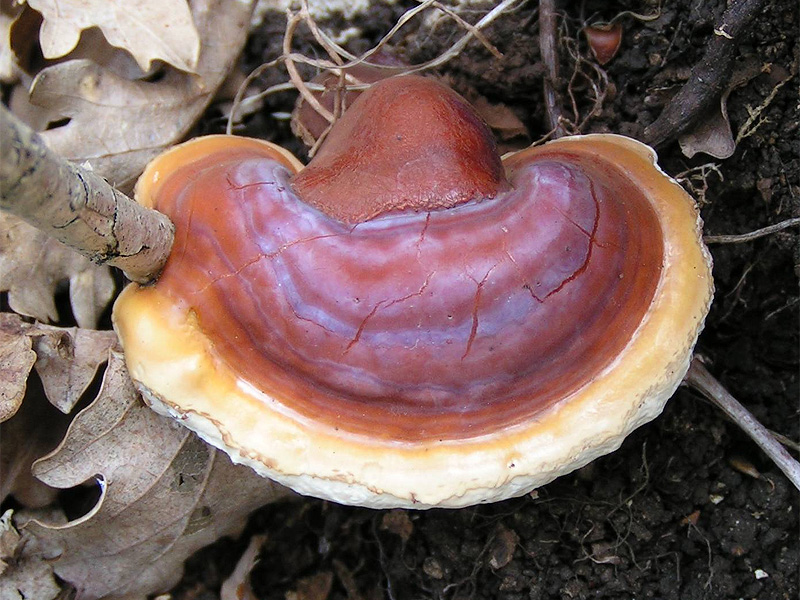
Genome sequence of the model medicinal mushroom Ganoderma lucidum
Ganoderma lucidum is a widely used medicinal macrofungus in traditional Chinese medicine that creates a diverse set of bioactive compounds. Here we report its 43.3-Mb genome, encoding 16,113 predicted genes, obtained using next-generation sequencing and optical mapping approaches. The sequence analysis reveals an impressive array of genes encoding cytochrome P450s (CYPs), transporters and regulatory proteins that cooperate in secondary metabolism. The genome also encodes one of the richest sets of wood degradation enzymes among all of the sequenced basidiomycetes. In all, 24 physical CYP gene clusters are identified. Moreover, 78 CYP genes are coexpressed with lanosterol synthase, and 16 of these show high similarity to fungal CYPs that specifically hydroxylate testosterone, suggesting their possible roles in triterpenoid biosynthesis. The elucidation of the G. lucidum genome makes this organism a potential model system for the study of secondary metabolic pathways and their regulation in medicinal fungi.
:: موضوعات مرتبط:
مقالات آموزشی قارچ
:: برچسبها:
مقاله ۲۰۱۲,
تعیین توالی ژنوم قارچ گنودرما Ganoderma lucidum
ن : دکتر ولی اله مهدیزاده
ت : جمعه نوزدهم خرداد ۱۳۹۱
|
|
پیشبینی کیفیت قارچ دکمه ای به وسیله بیان ژن
Title: Quality Prediction of Agaricus bisporus Mushrooms by Gene Expression
Abstract:
Button mushrooms (Agaricus bisporus) have a limited shelf life. An optimal time of harvest, quick cooling and short transport time to selling points are needed to ensure a good quality. Even if these conditions are optimal, large variations can be seen in quality of different mushroom batches. A cause of this variation in quality is not always evident.
There is, in principle, for each quality grade a suitable market. However, the unpredictable postharvest quality development makes it difficult to match quality and market type. It is estimated that this leads to an economic loss of 5–10% of crop value.
Tools to predict postharvest quality can help to improve matching of quality and market type. One of the possible tools is based on gene expression analysis. A prerequisite for this approach is the availability of molecular indicator genes and a fast method to assess gene expression. We have used dedicated microarrays containing over 700 spotted unique genes to identify genes whose activity is correlated with postharvest quality development. For this, a small-scale microarray hybridisation experiment was used to analyse the expression of these genes in batches of button mushrooms that showed different degree of browning after a cold postharvest period of 7 days. These analyses have generated a list of putative indicator genes. Ongoing research, using real-time polymerase chain reaction will reveal if these putative indicators can be used for quality prediction of mushrooms in the production chain. Although real-time-based gene-expression analysis is a reliable way to assess gene expression, the method is probably too costly and time consuming (taking at least one day) for practical ‘in-chain’ application. We will therefore develop with additional partners new and faster types of sampling, and RNA isolation and detection methods.
:: موضوعات مرتبط:
مقالات آموزشی قارچ
:: برچسبها:
پیشبینی کیفیت قارچ دکمه ای به وسیله بیان ژن
ن : دکتر ولی اله مهدیزاده
ت : جمعه نوزدهم خرداد ۱۳۹۱
|
|
مقاله ۲۰۱۲: استانداردسازی تکنولوژی تولید قارچ دکمه ای سفید در اودیشا با استفاده از روش های بلند مدت کمپوست سازی
Standardization of white button mushroom (Agaricus bisporus) production technologies in odisha following long method of composting.
Abstract
Among the high yielding strains of Agaricus bisporus screened for their adaptability in Odisha conditions, S-11 was found to be superior with 13.43% biological efficiency. Production technologies viz., evaluation of compost formulations and casing materials were standardized. Paddy straw based compost formulation along with FYM+loam soil (1:1) as casing material could yield 12.66 and 13.15% biological efficiency respectively. The experiments were conducted using wheat grain spawn with optimum temperature and humidity.
:: موضوعات مرتبط:
مقالات آموزشی قارچ
:: برچسبها:
مقاله ۲۰۱۲,
استانداردسازی تکنولوژی تولید قارچ دکمه ای سفید در
ن : دکتر ولی اله مهدیزاده
ت : پنجشنبه هجدهم خرداد ۱۳۹۱
|
|
- مقاله 2013: عملکرد نسبی قارچ صدفی فلوریدا بر روی کمپوست های مختلف
:: موضوعات مرتبط:
مقالات آموزشی قارچ
:: برچسبها:
مقاله 2013,
عملکرد نسبی قارچ صدفی فلوریدا بر روی کمپوست های مخ
ن : دکتر ولی اله مهدیزاده
ت : پنجشنبه هجدهم خرداد ۱۳۹۱
|
|
مقاله ۲۰۱۳: بیماری ویروسی قارچی به نام Mvx : یک بیماری ویروس قارچ ها در هلند
:: موضوعات مرتبط:
مقالات آموزشی قارچ
:: برچسبها:
مقاله ۲۰۱۳,
بیماری ویروسی قارچی به نام Mvx,
یک بیماری ویروس قارچ ها در هلند
ن : دکتر ولی اله مهدیزاده
ت : چهارشنبه هفدهم خرداد ۱۳۹۱
|
|
بررسي تاثير منابع مختلف كربن و ازت بر رشد رويشي قارچ خوراكي شاه صدف [.Pleuroutus eryngii (DC:Fr.) Quel]
علوي عزيزاله,محمدي گل تپه ابراهيم,ارزاني كاظم,پورجم ابراهيم
كربن و ازت از عناصر اصلي و مورد نياز براي رشد ريسههاي قارچ Pleurotus eryngii ميباشد. و نقش عمده در ساخت پروتئين، پروتوپلاسم، اسيدهاي هسته اي، آنزيمها و ديواره سلولي دارند. بدين منظور تاثير منابع مختلف كربن و ازت در محيط كشت پايه بر رشد رويشي دو جدايه از قارچ خوراكي شاه صدف مورد بررسي قرار گرفت.نتايج نشان داد از بين منابع كربن، مالتوز و دكستروز در جدايه 80 و گالاكتوز و دكستروز در جدايه 65 باعث بيشترين رشد ريسه ميگرديد. همچنين از بين منابع ازتي، گلوتاميك اسيد، پپتون آسپارتيك اسيد و ايزولوسين بيشترين تاثير را در رشد رويشي جدايه 80 و آسپاراژين و پپتون باعث بيشترين رشد در جدايه 65 شده است. در اين آزمايش غلظت 22 گرم در ليتر دكستروز و 20 گرم در ليتر مالتوز به ترتيب، باعث بيشترين تاثير در رشد رويشي جدايههاي 80 و 65 گرديد. حداكثر رشد ريسه در ايزوله 80 با 2.5 گرم در ليتر گلوتاميك اسيد و در جدايه 65 با 3 گرم در ليتر آسپاراژين بدست آمد. افزايش غلظت منبع ازته تا حد مطلوب باعث افزايش وزن خشك ريسه قارچ گرديد. ليكن افزايش بيش از اندازه آن وزن خشك ريسه را كاهش داد.
:: موضوعات مرتبط:
مقالات آموزشی قارچ
:: برچسبها:
بررسي تاثير منابع مختلف كربن و ازت بر رشد رويشي قا,
Pleuroutus eryngii,
DC,
Fr
ن : دکتر ولی اله مهدیزاده
ت : سه شنبه شانزدهم خرداد ۱۳۹۱
|
|
مقاله ۲۰۱۲: تاثیر تیمار های فوق صوتی و شیمیایی روی قارچ دکمه ای قبل از بسته بندی با اتمسفر تغیر یافته برای افزایش دوام قارچ پس از برداشت
Effects of ultrasound and chemical treatments on white mushroom (Agaricus bisporus) prior to modified atmosphere packaging in extending shelf-life
Abstract
Effects of pre-treatments of white mushrooms prior to modified atmosphere packaging on their physico-chemical and microbiological properties were studied during 12 days of storage at 4 °C. Physico-chemical and microbiological properties of differently treated mushrooms stored at 4 °C were significantly different (P < 0.05) from untreated ones. Washed samples exhibited the smallest respiration rate compared to all other samples. Hydrogen peroxide washing was effective in retaining mushrooms colour change. Furthermore, the diminishments in weight of ultrasound treated samples during storage were significantly (P < 0.05) low in comparison with the other four treatments. The weight loss for ultrasound treated samples were 3.52 %, 4.07 % and 4.59 % for Uca, UH2O2 and UH2O respectively. The lowest PPO activity was observed in Uca, UH2O2 followed by Wca, WH2O2, UH2O and WH2O treatments respectfully. Combined treatments showed lower polyphenol oxidase activity, retained antioxidants, delayed pseudomonas growth and did not cause any decline in tissue firmness during storage time implying that it could extend shelf life of white mushrooms up to 12 days at 4 °C.
لینک در ادامه مطلب
:: موضوعات مرتبط:
مقالات آموزشی قارچ
:: برچسبها:
مقاله ۲۰۱۲,
تاثیر تیمار های فوق صوتی و شیمیایی روی قارچ دکمه ا
ن : دکتر ولی اله مهدیزاده
ت : دوشنبه پانزدهم خرداد ۱۳۹۱
|
|
اصلاح مولکولی قارچ صدفی با استفاده از منگنز پروکسیداز
Molecular breeding of white rot fungus Pleurotus ostreatus by homologous expression of its versatile peroxidase MnP2
:: موضوعات مرتبط:
مقالات آموزشی قارچ
:: برچسبها:
اصلاح مولکولی قارچ صدفی با استفاده از منگنز پروکسی
ن : دکتر ولی اله مهدیزاده
ت : دوشنبه پانزدهم خرداد ۱۳۹۱
|
|
بازيافت پس مانده كامپوست (SMC) و استفاده از آن به عنوان خاك پوششي در پرورش قارچ خوراكي تكمه اي Agaricus bisporus
رياحي حسين,وحيدآفاق هايده,شيدايي مسعود
يکي از مواد مورد نياز کشت قارچ هاي خوراکي تکمه اي خاک پوششي است. فقدان خاک پوششي مناسب از معضلات پرورش دهندگان اين نوع قارچ در ايران محسوب مي شود. از پس مانده کامپوست يا (SMC) مي توان خاک پوششي مناسبي تهيه نمود. در اين تحقيق (SMC) سه ساله استفاده شد. براي برطرف نمودن شوري آن از روش ليچينگ استفاده گرديد. خواص فيزيکي، شيميايي، ميکروبي، ميزان رشد ميسليوم و مقدار محصول قبل و بعد از ليچينگ مطالعه شد. سپس (SMC) ليچ شده به عنوان خاک پوششي استفاده محصول بدست آمده با محصول خاک شمال مقايسه گرديد که اختلاف معني داري بين محصول خاک شمال و (SMC) ليچ شده مشاهده نشد. در نتيجه مي توان از اين ماده استفاده آن را جايگزين خاک پيت شمال نمود.
:: موضوعات مرتبط:
مقالات آموزشی قارچ
:: برچسبها:
بازيافت پس مانده كامپوست,
SMC,
و استفاده از آن به عنوان خاك پوششي در پرورش قارچ خ
ن : دکتر ولی اله مهدیزاده
ت : یکشنبه چهاردهم خرداد ۱۳۹۱
|
|
دی ۹۰
هشتمین کنفرانس بین الملی بیولوژی قارج های خوراکی و محصولات قارجی در قند سال ۲۰۱۴
The 8th International Conference on Mushroom Biology and Mushroom Products will be organized during 19-22 November 2014, in New Delhi, India
The Conference Venue will be the NASC Complex at Pusa, New Delhi.
This Conference is organized by WSMBMP, the Directorate of Mushroom Research, and the Mushroom Society of India.
Contact name: Dr. Manjit Singh, Director, Directorate of Mushroom Research/President, Mushroom Society of India, Solan
E-mail: icmbmp8.manjit@gmail.com or icmbmp8.secretariat@gmail.com
http://wsmbmp.org/8th_International.html
Previous Conference Proceedings
:: موضوعات مرتبط:
مقالات آموزشی قارچ
:: برچسبها:
هشتمین کنفرانس بین الملی بیولوژی قارج های خوراکی و
ن : دکتر ولی اله مهدیزاده
ت : شنبه سیزدهم خرداد ۱۳۹۱
|
|
ن : دکتر ولی اله مهدیزاده
ت : شنبه سیزدهم خرداد ۱۳۹۱
|
|
مقاله مروری ۲۰۱۲: مهمترین گونه دارویی جنس آگاریکوس قارچ
Agaricus subrufescens: A review
Komsit Wisitrassameewonga, b,
Samantha C. Karunarathnaa, b,
Naritsada Thongklanga,
Ruilin Zhaoc,
Philippe Callacd,
Serge Moukhad, e,
Cyril Férandone,
Ekachai Chukeatirotea,
Kevin D. Hydea, b,
Abstract
Medicinal mushrooms have currently become a hot issue due to their various therapeutic properties. Of these, Agaricus subrufescens, also known as the “almond mushroom”, has long been valued by many societies (i.e., Brazil, China, France, and USA). Since its discovery in 1893, this mushroom has been cultivated throughout the world, especially in Brazil where several strains of A. subrufescens have been developed and used as health food and alternative medicine. This article presents up-to-date information on this mushroom including its taxonomy and health promoting benefits. Medicinal properties of A. subrufescens are emphasized in several studies which are reviewed here. In addition, safety issues concerning the use of this fungus will be discussed.
http://www.sciencedirect.com/science/article/pii/S1319562X12000046
:: موضوعات مرتبط:
مقالات آموزشی قارچ
:: برچسبها:
مقاله مروری ۲۰۱۲,
مهمترین گونه دارویی جنس آگاریکوس قارچ
ن : دکتر ولی اله مهدیزاده
ت : جمعه دوازدهم خرداد ۱۳۹۱
|
|
مقاله مروری ۲۰۱۲: قارچ شی تاکه: یک ابزار پزشکی
Shiitake Mushroom: A Tool of Medicine
Taufiqur Rahman1, MBK Choudhury2
1National Mushroom Development Project, Savar, Dhaka
2Directorate General of Health Services, Dhaka
:: موضوعات مرتبط:
مقالات آموزشی قارچ
:: برچسبها:
مقاله مروری ۲۰۱۲,
قارچ شی تاکه,
یک ابزار پزشکی
ن : دکتر ولی اله مهدیزاده
ت : پنجشنبه یازدهم خرداد ۱۳۹۱
|
|
مقاله فارسی: اصلاح عملكرد قارچ خوراكي دكمه اي سفيد با استفاده از گزينش جدايه هاي خالص و كشتهاي چند اسپوري
گردان حميدرضا,فارسي محمد
اصلاح قارچ خوراکي دگمه اي سفيد همواره با مشکلات زيادي همراه بوده است. هموتاليسم ثانويه در اين قارچ باعث مي شود که بيشتر بازيديوسپورها (بيش از 90 درصد) هتروکاريونهاي خودباور توليد کنند و فراواني هموکاريونها که از نظر اصلاحي مهم هستند، بسيار پايين (کمتر از 10درصد) باشـد. هدف اصلي اين مطالعه، استـفاده از تنوع موجود در ميان جدايه هاي خالص و نمونه هاي گرفته شده از کشت هاي چند اسپوري در جهت به نژادي اين قـارچ بود. کشتهاي اسپـوري از چندين نژاد تجـاري خارجي و داخـلي تهيه شدند. از کشتـهاي تک و چند اسپوري، جدايه هاي خالص تهيه شـدند و براي توليد بذر و اندام زايشي مورد استـفاده قرار گرفتند. بر اساس شکل پرگنه و سرعـت رشدي، تنوع بازيديوسپورها در محيط کشت جامد، بذر و بستر کشت مورد آزمون قرار گرفت. سپس ارتباط بيـن کلاسهاي شکل پرگـنه، سرعت رشدي و عملکرد بررسي شد. نتايج نشان داد که هيچـکدام از جدايه هاي داراي تيپ رشدي بدون ميسليوم هوايي و سرعت رشـدي کند يا بسـيار کند، قارچ توليد نکردند يا توليد آنها بسيـار اندک (≤3 kg/m2) بود، اما در غالـب جدايه هـاي داراي تيـپ رشدي رشتـه اي و سرعت رشـدي سريع، عملـکرد متوسط و بالا (3-10 kg/m2) يا بسـيار بالا (≥10 kg/m2) مشاهده شد
:: موضوعات مرتبط:
مقالات آموزشی قارچ
:: برچسبها:
قارچ خوراكي دكمه اي سفيد
ن : دکتر ولی اله مهدیزاده
ت : چهارشنبه دهم خرداد ۱۳۹۱
|
|
ن : دکتر ولی اله مهدیزاده
ت : سه شنبه نهم خرداد ۱۳۹۱
|
|
مقاله ۲۰۱۳: گونه ای جدید از قارچ صدفی، جدا شده از نواحی سرد و خشک
Pleurotus himalayaensis Dhancholia Sp.nov. A Highly Delicious Edible Mushroom from Dry Temperate Cold Desert Zone of Lahoul Valley in Himachal Pradesh (India)
:: موضوعات مرتبط:
مقالات آموزشی قارچ
:: برچسبها:
مقاله ۲۰۱۳,
گونه ای جدید از قارچ صدفی,
جدا شده از نواحی سرد و خشک
ن : دکتر ولی اله مهدیزاده
ت : سه شنبه نهم خرداد ۱۳۹۱
|
|
مقاله ۲۰۱۲: اصلاح قارچ شاه صدف با اشعه
Hybridization Breeding of Pleurotus Eryngii with Ultraviolet Irradiation on Mononuclear Mycelia and Selecting of Filial Generations
Pleurotus eryngii is one of the important edible fungis with high value and medicinal properties. The industrialization and scale of Pleurotus eryngii is developed with the generalize of liquid spawn planting method. In this experiment, as the parent strain of Pleurotus eryngii, the application of submerged culture spawn for Xing-T was studied. with ultraviolet radiation mutagenesis and monospore cross breeding, the good quality progeny strains would be obtained by a series of selecting experiments.1. An optimum medium was determined, dand compositions of fermentation were as follows: Soybean powder 2%, wheat bran 2%, glucose 1%, yeast extract 0.5%, KH2PO4 0.1%, MgSO4·7H2O 0.1%, VB1 0.002%. The activity of pellets reached largest, and the fermentative period was 7 d. The optimal storage time of liquid spawn in 4℃was 6 d, and The time of the liquid spawn from germination to harvest was 51 d.2. In this experiment, with ultraviolet irradiation on mononuclear mycelia of Pleurotus eryngii, five different time stages were set up, and monospore cross breed with the mutagenize of mycelia.3. 76 new crossing progeniy strains were obtained by microscope checking and antagonistic experiment. And 16 new strains were obtained by means of vertical slab polyacrylamid gel electrophoresis and analysis of esterase isozyme of parent and new cross combinations, which had mutually complementary enzyme bands and new enzyme bands.4. Comparing the growth of mycelium, the resistance to Trichoderma Viride and characteristics of fruiting bodies, Z26 growed fast in the mother culture with 4.82 mm/d. Z56 was the best strain in the liquid medium with the highest weight, the smallest diameter and the largest density. The average biological efficiency of Z6 and Z25 was higher than parent strain.5. Four strains were obtained. The mycelium of Z26 growed well and faster, and had stronger resistance to Trichoderma Viride. Z42 and Z59 showed bigger fruiting body with well characteristics; Z56 was in order to liquid spawn.
:: موضوعات مرتبط:
مقالات آموزشی قارچ
:: برچسبها:
مقاله ۲۰۱۲,
اصلاح قارچ شاه صدف با اشعه
ن : دکتر ولی اله مهدیزاده
ت : سه شنبه نهم خرداد ۱۳۹۱
|
|
کلید شناسایی حدود ۳۰۰ جنس و ۳۰۰۰ گونه از قارچ های کلاهک دار
Funga Nordica: 2nd edition 2012. Edited by Knudsen, H. & Vesterholt, J.

The book has been revised and enlarged and now comes in two volumes. The DVD MycoKey is not included in this edition. The laminated cover will differ from the earlier edition shown, being a plain blue background with white text.
There will be no increase in price from the first edition.
The funga is edited by Henning Knudsen and Jan Vesterholt with contributions from 49 mycologists from 16 countries. It is widely recognised as an important guide to fungi in Northern European countries.
The work now covers agaricoid, boletoid, clavarioid, cyphelloid and gastroid genera This new edition has therefore been complemented by the addition of the gastromycetes (incl. the basidiotruffles) and the clavarioid fungi (excl. Gomphales).
There are keys and descriptions to 3054 species of basidiomycetes from northern Europe, distributed in 278 genera.
Inner back cover with easy-to-use index to genera and an alphabetical index to +5000 species.
:: موضوعات مرتبط:
مقالات آموزشی قارچ
:: برچسبها:
کلید شناسایی حدود ۳۰۰ جنس و ۳۰۰۰ گونه از قارچ های
ن : دکتر ولی اله مهدیزاده
ت : دوشنبه هشتم خرداد ۱۳۹۱
|
|
مقاله ۲۰۱۲: تاثیر پارامتر های مختلف تخمیری روی خصوصیات کیفی کفیر
Effects of different fermentation parameters on quality characteristics of kefir.
Kök-Taş T, Seydim AC, Ozer B, Guzel-Seydim ZB.
Source
Department of Food Engineering, Faculty of Engineering and Architecture, Suleyman Demirel University, Cunur, 32260 Isparta, Turkey. Electronic address: tugbakoktas@sdu.edu.tr.
Abstract
The main objective of the study was to determine the effects of different fermentation parameters on kefir quality. Kefir samples were produced using kefir grains or natural kefir starter culture, and fermentation was carried out under normal or modified atmosphere (10% CO(2)) conditions. The microbiological (lactobacilli, lactococci, Lactobacillus acidophilus, Bifidobacterium spp., and yeasts), chemical (pH, lactic acid, total solids, protein, ethanol, exopolysaccharide contents), rheological, and sensory properties of kefir samples were investigated during a 21-d storage period. The use of different fermentation parameters or the choice of grain versus natural kefir starter culture did not significantly affect the content of microorganisms. Lactobacilli, lactococci, and yeast contents of kefir samples varied between 9.21 and 9.28, 9.23 and 9.29, and 4.71 and 5.53 log cfu/mL, respectively, on d 1 of storage. Contents of L. acidophilus and Bifidobacterium spp. were between 5.78 and 6.43 and between 3.19 and 6.14 log cfu/mL, respectively, during 21 d of storage. During the storage period, pH, lactic acid (%), total solids (%), protein (%), acetaldehyde, and ethanol contents of kefir samples ranged from 4.29 to 4.53, from 0.81 to 0.95%, from 7.81 to 8.21%, from 3.09 to 3.48%, from 3.8 to 23.6 mg/L, and from 76.5 to 5,147 mg/L, respectively. The exopolysaccharide contents of the samples decreased during 21 d of cold storage; the samples fermented under modified atmosphere had relatively higher exopolysaccharide contents, indicating higher potential therapeutic properties. The kefir samples exhibited non-Newtonian pseudoplastic flow behavior according to the power law model. According to the sensory results, kefir produced from natural kefir starter culture under CO(2) atmosphere had the highest overall evaluation score at d 1.
:: موضوعات مرتبط:
مقالات آموزشی قارچ
:: برچسبها:
مقاله ۲۰۱۲,
تاثیر پارامتر های مختلف تخمیری روی خصوصیات کیفی کف
ن : دکتر ولی اله مهدیزاده
ت : دوشنبه هشتم خرداد ۱۳۹۱
|
|
|
|
|
|
|
|
|
|
|


